

Flexible Protection for Large Bridge Structures
As marine traffic increases around major bridges, protecting bridge structures from accidental vessel impact has become an important part of infrastructure safety.
FBR has developed and supplied high-strength synthetic rope solutions for flexible bridge anti-collision systems, with applications across cross-sea bridges, large bridges, and major transportation infrastructure projects in China.
Rather than relying solely on rigid structures, these systems use high-strength synthetic ropes to form flexible interception networks designed to respond to vessel impact and help reduce the loads transferred to bridge structures.
Through multiple project applications, FBR has gained practical experience in supplying rope systems for different bridge configurations, water conditions, and protection requirements.

From a Demonstration Project to Multiple Bridge Applications
FBR’s involvement in bridge anti-collision applications began with the development and implementation of a flexible interception system for the Pingtan Strait Bridge, one of China’s major cross-sea bridge projects.
The bridge is located in the Pingtan Strait, an exposed marine environment characterized by strong winds, waves, currents, and demanding operating conditions. These conditions created significant requirements for both the bridge structure and its supporting safety systems.
For the project, FBR supplied high-strength synthetic ropes used in the flexible interception system. The rope network formed part of an adaptive resistance and energy-buffering approach intended to intercept vessels before direct contact with critical bridge structures.
The project provided valuable practical experience in applying synthetic rope technology to large-scale bridge protection systems.

Applications Across Different Bridge Environments
Following the Pingtan project, FBR’s rope solutions were applied to several other major bridge projects, including the Jiaojiang Bridge, Sanmen Bay Bridge, and Jiaojiang Second Bridge.
Each project presented different requirements, including existing-bridge retrofitting, complex marine conditions, different bridge layouts, and varying protection zones.
Rather than using a single standardized configuration, FBR worked with project teams to provide rope products and system components suited to the specific application.
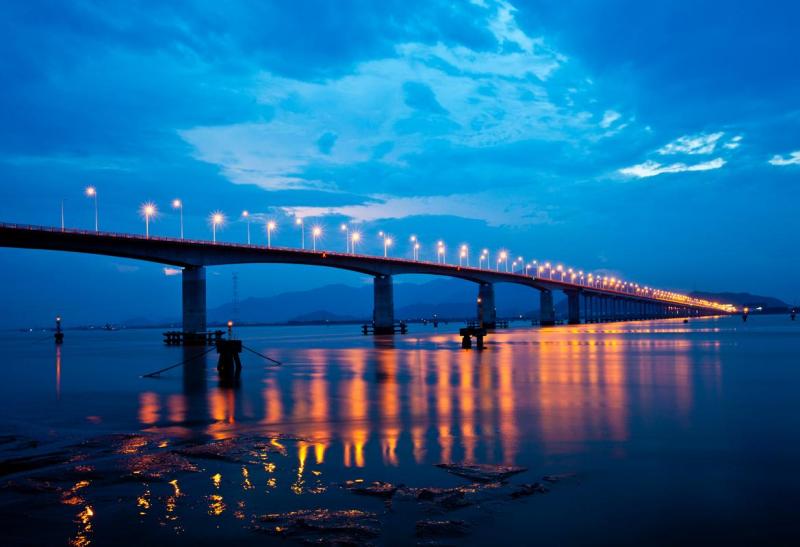
Jiaojiang Bridge
As an existing bridge, its anti-collision protection required an approach compatible with the existing structure and operating environment.
The Jiaojiang Bridge is an important transportation link connecting the urban area of Taizhou with the northern part of the Jiaojiang River.
During the 2016 upgrade project, the bridge’s previous rigid interception arrangements were replaced in non-navigable areas with a flexible high-strength synthetic rope interception network.
The project demonstrated the potential of flexible rope systems for upgrading anti-collision protection on existing bridges, while providing practical experience for similar bridge retrofit applications.

Sanmen Bay Bridge
The Sanmen Bay Bridge is a major cross-sea transportation project connecting Ningbo and Taizhou.
The surrounding marine environment and water conditions required careful consideration of the bridge’s anti-collision protection system.
FBR supplied high-strength synthetic ropes for an adaptive interception system designed for the project’s specific protection requirements.
The system incorporated different rope-net configurations for different protection zones, combining vessel interception with energy-buffering functions.
This project further expanded FBR’s experience in applying flexible rope systems to large bridges in complex marine environments.
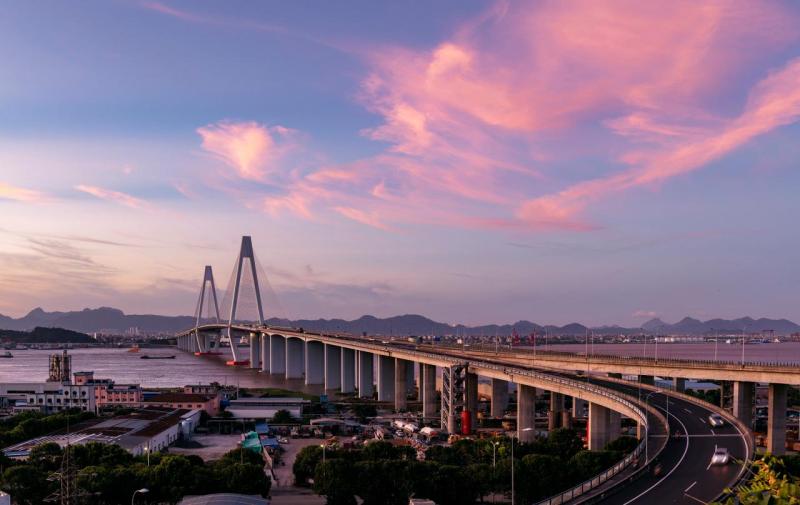
Jiaojiang Second Bridge
The experience gained from the Jiaojiang Bridge was subsequently applicable to other major bridge structures in the same region.
For the Jiaojiang Second Bridge, FBR supplied rope products for the bridge’s anti-collision protection system, extending the application of its flexible rope technology to another major transportation structure within the Jiaojiang River system.
The project demonstrated how experience gained from previous bridge applications can support the adaptation of rope-based protection solutions to similar infrastructure requirements.
High-Strength Synthetic Rope as a Flexible Protection Element
The core of these systems is the use of high-strength synthetic rope to create flexible interception structures.
Compared with conventional rigid protection structures, rope-based systems can provide several practical advantages:
- Flexible response to vessel impact
- High strength-to-weight ratio for large-scale rope networks
- Adaptable configurations for different bridge layouts and protection zones
- Practical installation and maintenance compared with heavy rigid structures
- Suitability for marine environments when appropriate rope materials and system designs are selected
For these projects, FBR’s high-performance synthetic rope products, including POWERNEEMA®, were used as key rope elements in the bridge anti-collision systems.
The actual system configuration is determined according to bridge structure, vessel traffic, water conditions, protection requirements, and project-specific engineering considerations.

From Individual Projects to a Repeatable Engineering Solution
The value of these projects extends beyond individual bridge applications.
Through experience across multiple bridges, FBR has developed a practical understanding of how high-strength synthetic ropes can be integrated into flexible bridge anti-collision systems.
The applications range from:
New cross-sea bridges to Existing bridge retrofit projects, and from complex marine environments to river-based transportation corridors.
This project experience enables FBR to support engineering teams with rope selection, product supply, and application experience for bridge anti-collision systems.


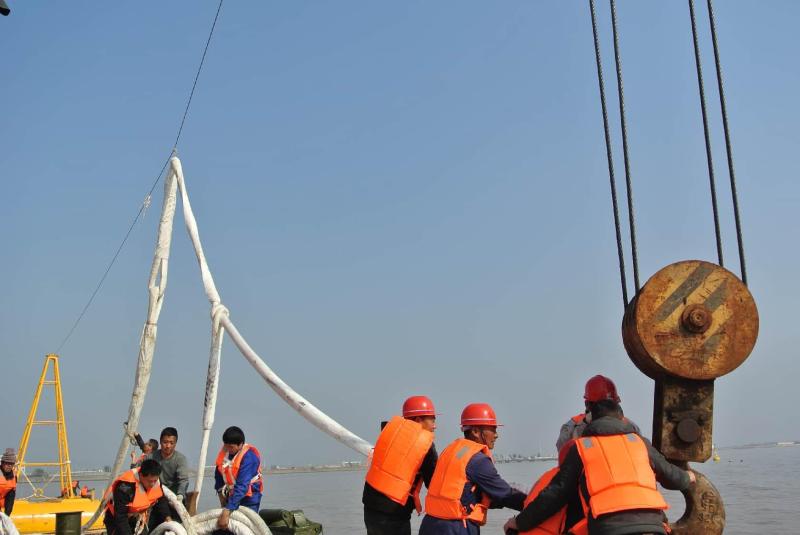
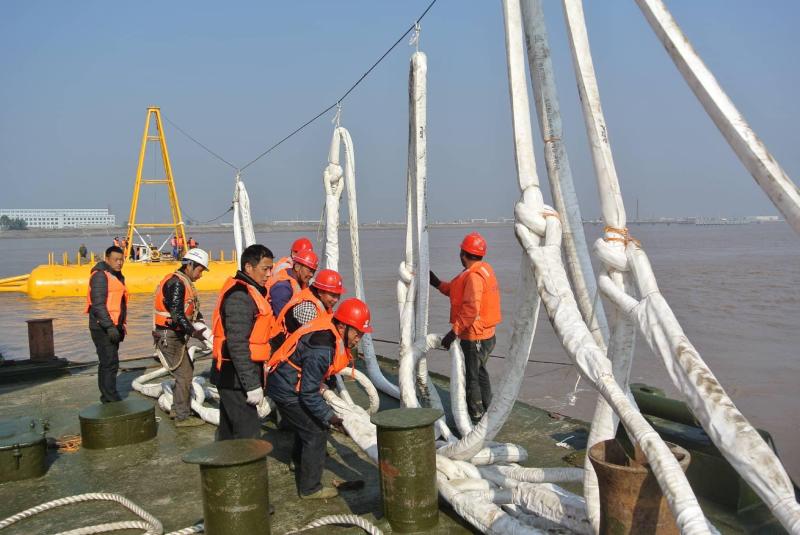

Protecting Bridges with Flexible Strength
Bridge protection systems operate in demanding environments where structural safety, marine traffic, installation conditions, and long-term reliability must work together.
FBR’s experience in bridge anti-collision rope systems demonstrates how high-strength synthetic ropes can provide a flexible engineering element for protecting major bridge structures.
From the first demonstration application to subsequent bridge projects, FBR continues to support the development and application of rope-based protection solutions for large-scale infrastructure.
Four Brothers Rope always For Better Rope.