
PROJECT OVERVIEW :
Associated Maritime Company (Hong Kong) Limited (AMCL), a joint venture of COSCO SHIPPING International (Hong Kong) Co., Ltd., operates a fleet of large commercial vessels requiring reliable, safe, and efficient mooring solutions.
As vessel sizes continue to increase and operational requirements become more demanding, ship operators are placing greater emphasis on high-performance synthetic mooring ropes, proper installation practices, and lifecycle-based maintenance management.
In 2025, Four Brothers Rope (FBR) supported AMCL’s fleet with advanced HMPE mooring ropes and comprehensive onboard engineering services. The cooperation covered multiple vessels, including VLCCs and newbuilding projects:
- NEW TRIUMPH — VLCC
- NEW VOYAGE — VLCC
- NEW ACE — 110K Newbuilding Vessel
- NEW EXPLORER — 300K VLCC Newbuilding Vessel

THE CHALLENGES :
Ensuring Reliable Performance in Modern Mooring Operations
For large vessels such as VLCCs, mooring systems operate under significant loads and demanding environmental conditions. The performance of synthetic mooring ropes depends not only on rope quality, but also on correct installation, proper equipment condition, and daily operational practices.
AMCL required a reliable solution that could address several key challenges:
Protecting ropes from premature damage
Synthetic ropes can experience accelerated wear if exposed to rough surfaces, sharp edges, or unsuitable contact points on deck equipment.
Ensuring smooth interaction between ropes and fairleads, chocks, and winch drums was essential for maximizing service life.
Ensuring correct installation
High-performance HMPE ropes require specific handling procedures during installation. Incorrect operation, including twisting, improper winding, or excessive abrasion, may affect long-term performance.
Improving onboard rope management
To achieve safe and cost-effective operation, crews need proper knowledge of:
- Synthetic rope handling
- Inspection procedures
- Protective equipment usage
- Maintenance requirements


FBR SOLUTION :
FBR developed a complete approach combining rope technology, engineering support, and lifecycle management.
FBR supplied advanced synthetic mooring solutions for AMCL vessels, including HMPE mooring ropes and mixed-fiber tail ropes.
However, FBR’s support extended beyond product delivery.
A dedicated engineering approach was provided to ensure that every rope was properly installed, correctly matched with deck equipment, and maintained throughout its service life.
The service package included:
1. Mooring Equipment Inspection
Before installation, FBR engineers inspected critical rope contact areas, including:
- Fairleads
- Chocks
- Winch drums
- Other mooring equipment
Potential risks were identified and improvement recommendations were provided.
2. Professional Installation Guidance
FBR engineers provided onsite support to ensure:
- Correct rope handling procedures
- Prevention of twisting during installation
- Proper drum winding arrangement
- Correct positioning of protective sleeves
3. Crew Training and Knowledge Transfer
Training programs were provided to help crews understand:
- HMPE rope characteristics
- Proper operation methods
- Daily inspection requirements
- Maintenance practices
4. Lifecycle Management Support
FBR introduced a lifecycle management approach based on actual rope condition, including:
- Inspection records
- Residual strength evaluation
- Maintenance recommendations
- Replacement planning
VESSEL-BY-VESSEL SUPPORT :

1. NEW TRIUMPH — VLCC
Mooring Rope Replacement, Equipment Inspection and Installation Optimization
For NEW TRIUMPH, FBR provided comprehensive onboard support during the replacement and installation of HMPE mooring ropes.
The service focused on improving the compatibility between the new synthetic ropes and the vessel’s existing mooring equipment.
Detailed Mooring Equipment Inspection
Before installation, FBR engineers conducted a detailed inspection of:
- 72 fairleads
- Winch drums
- Rope contact areas
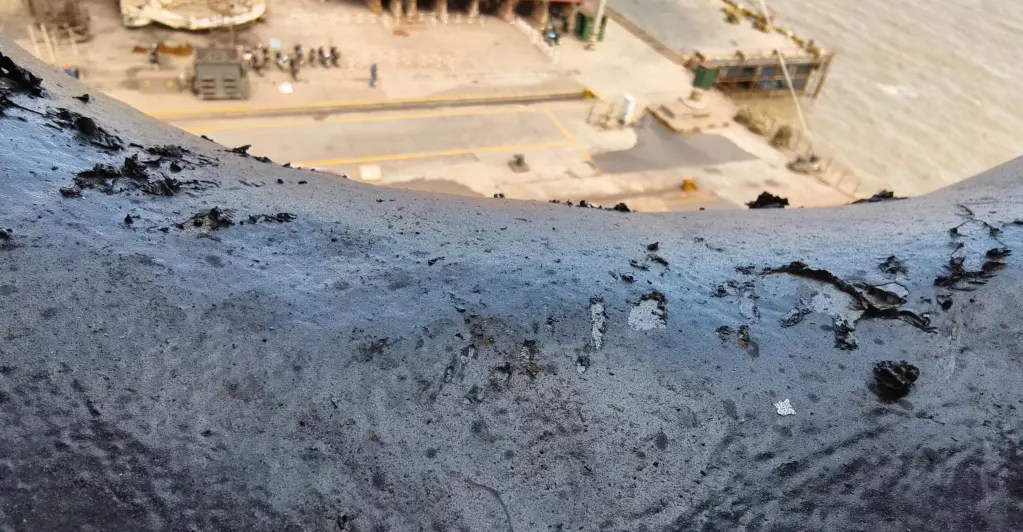
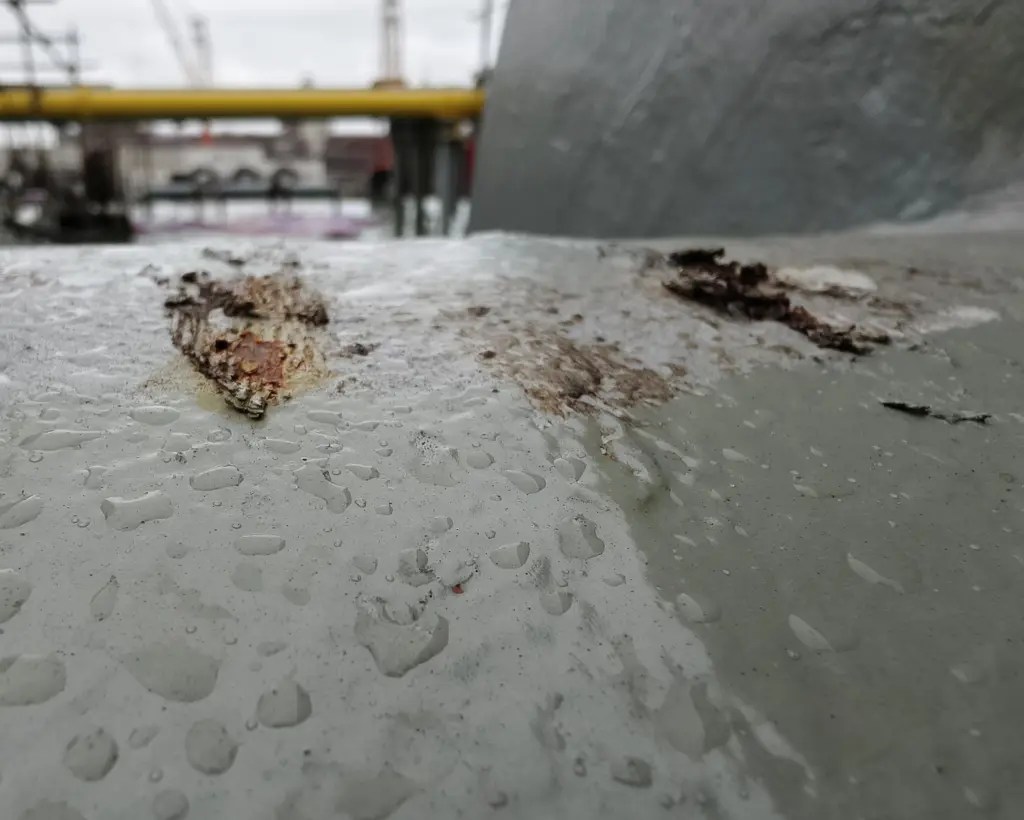
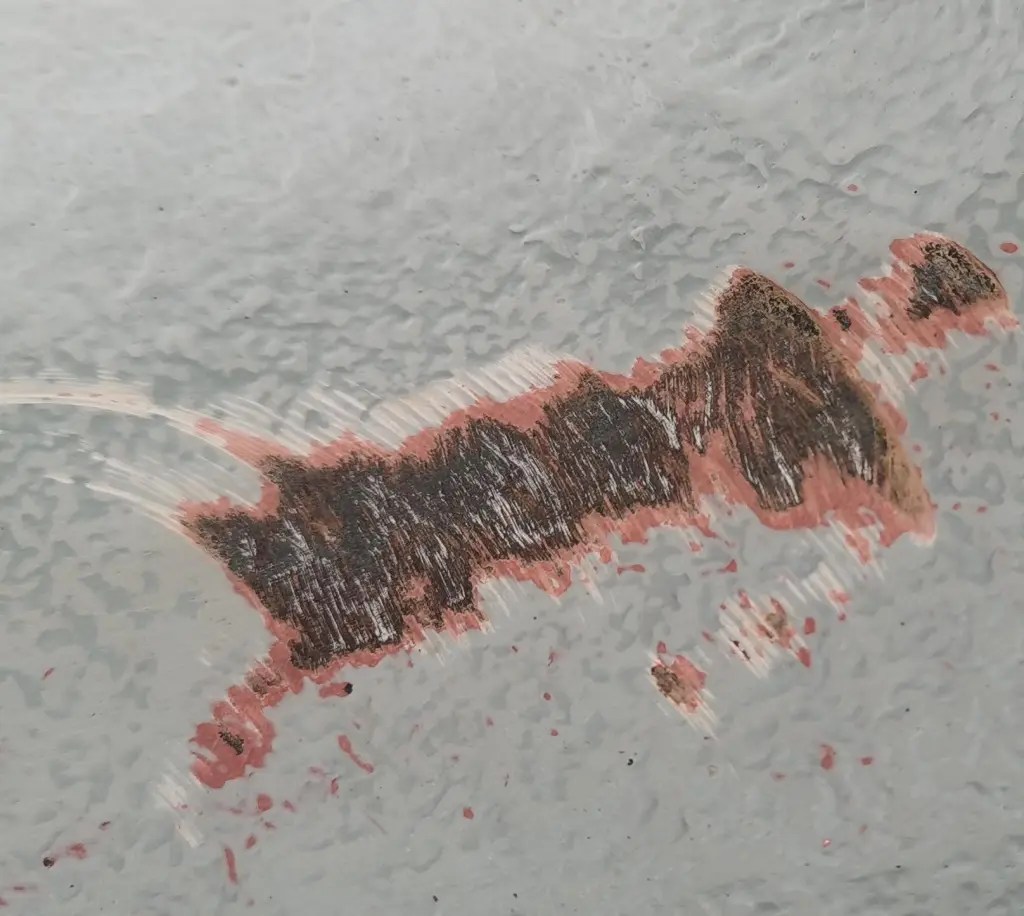
During the inspection, potential risks caused by surface roughness and wear were identified.
FBR worked together with the shipyard team and provided technical recommendations, including:
- Grinding and polishing damaged fairlead surfaces
- Removing sharp edges and uneven contact points
- Repainting treated areas for improved protection
After treatment, the contact surfaces became smoother, reducing the risk of abnormal abrasion and helping extend rope service life.


Installation Guidance and Protective Sleeve Management
During rope installation, FBR engineers provided onsite guidance covering:
- Correct HMPE rope installation procedures
- Proper rope alignment
- Contact point protection
All rope contact sections were equipped with hook-and-loop protective sleeves.
FBR also provided instructions regarding:
- Correct positioning of protective sleeves
- Regular adjustment during operation
- Prevention of sleeve displacement
Through systematic inspection and professional installation support, FBR helped improve the safety and reliability of NEW TRIUMPH’s mooring system.

2. NEW VOYAGE — VLCC
Mooring Equipment Inspection and Installation Support
For NEW VOYAGE, FBR provided onboard technical support focusing on mooring equipment inspection, rope installation preparation, and operational recommendations.
Fairlead and Equipment Condition Assessment
Before installation, FBR engineers inspected all rope-contacting equipment.
The inspection focused on:
- Surface smoothness
- Existing wear conditions
- Potential damage points
Based on inspection results, FBR recommended:
- Grinding rough surfaces
- Polishing contact areas
- Repainting treated sections
These improvements helped create a safer operating environment for synthetic mooring ropes.

Long-Term Maintenance Recommendations
FBR provided recommendations for continuous vessel operation:
- Regular inspection of fairleads and mooring equipment
- Maintaining smooth contact surfaces
- Preventing concentrated abrasion
The service helped prepare the vessel for reliable synthetic rope operation and future rope optimization.

3. NEW ACE — 110K Newbuilding
Complete Installation Support and First-Use Training
For NEW ACE, FBR supported the vessel during the initial installation and commissioning of HMPE mooring ropes.
Pre-Installation Equipment Inspection
Before installation, FBR engineers performed a complete inspection of deck equipment.
The inspection included:
- Fairlead condition
- Paint coating condition
- Surface smoothness
- Potential corrosion or sharp edges
This ensured that all equipment was suitable for synthetic rope operation.


Rope Installation Support
FBR conducted onsite rope verification, including:
- Checking delivered rope quantities
- Confirming packaging integrity
- Ensuring installation readiness
The process was carried out smoothly through:
With FBR technical guidance, the installation of 16 mooring ropes was completed within two days.
- Proper handling procedures
- Correct installation sequence
- Effective coordination with shipyard personnel
Crew Training
As part of the commissioning support, FBR provided crew training through:
- Technical presentations
- Onboard demonstrations
- Practical operation guidance
The training helped crew members understand:
- HMPE rope characteristics
- Proper handling methods
- Maintenance requirements


4. NEW EXPLORER — 300K VLCC Newbuilding
Advanced Installation Control and Mooring System Commissioning Support
For NEW EXPLORER, one of the largest vessels in the cooperation program, FBR provided specialized installation support to ensure reliable commissioning of the mooring system.
Controlled Rope Installation
Due to the vessel size and rope specifications, installation accuracy was critical.
FBR engineers applied controlled installation procedures, including:
- Crane-assisted rope handling
- Auxiliary rope reels
- Prevention of twisting during deployment
These measures ensured that the ropes remained straight and properly positioned.
Proper Drum Arrangement
FBR guided the installation team to achieve:
- Tight and orderly winding
- Correct layer arrangement
- Prevention of outer-layer embedding
Integrated Main Line and Tail Line Installation
The main mooring lines and tail lines were pre-connected at the factory, allowing efficient onboard installation and reducing installation complexity.


Operational Recommendations
FBR provided guidance on rope operation and maintenance:
Expected Service Life
- Main mooring ropes: approximately 5,000 operating hours (around 3 years)
- Tail ropes: approximately 18–24 months
Residual Strength Testing
After approximately 5,000 operating hours, residual strength testing is recommended to evaluate rope condition and support replacement decisions.
Daily Operation
Recommendations included:
- Proper use of protective sleeves
- Avoiding concentrated abrasion
- Preventing excessive heat exposure
- Using water cooling when required
FULL LIFECYCLE MANAGEMENT :
Supporting Data-Based Rope Maintenance
FBR believes that rope safety should not rely only on fixed replacement schedules.
The actual service life of a mooring rope depends on:
- Operating conditions
- Environmental exposure
- Equipment condition
- Handling practices
Following the principles recommended by OCIMF MEG4, FBR supports customers in evaluating rope condition based on actual remaining strength.
When residual strength approaches the recommended replacement threshold, operators can make informed decisions based on reliable data.


Digital Management for Safer and More Efficient Operations
To support long-term fleet management, FBR developed FIRM — FBR Integrated Rope Management System.
The platform provides:
- Rope specification records
- Inspection history
- Maintenance tracking
- Emergency management
- Replacement planning
- Compliance support
By combining digital tools with engineering expertise, FIRM helps operators achieve:
- Better risk control
- Improved maintenance efficiency
- Reduced lifecycle costs
CONCLUSION :
FBR’s cooperation with AMCL demonstrates that modern mooring solutions require more than high-performance ropes.
By combining advanced HMPE rope technology, engineering support, crew training, and lifecycle management, FBR helps ship operators improve safety, reliability, and operational efficiency.
From the first installation to long-term maintenance, FBR continues to support customers with complete rope lifecycle solutions.
SAFE MORE, SAVE MORE.